
The second age, called the Age of the Lion, or the Golden Age, or the Age of Fire, saw great change come to the face of Urthe.
10,750 BCE
The Game of Gods.

The Five Cardinal Powers of the Spiritual Plane each gaze across the Astral Plane, into the observable universe. They look past the galactic superclusters, peering deeply into one spiral arm of the Silver Wheel galaxy, setting their sights ultimately on a planet swinging in an orbit around a rather small star called Solus.
In the beginning the planet, Urthe, is mostly covered by an immense, frozen ocean, called Thalassa. An enormous rocky continent stands out from the surface of Thalassa’s icy vastness. At the center of this continental landmass is a smaller, mineral-rich inland sea: Tethys. Solus, the planet’s sun, weaves a course in Urthe’s golden sky: high in the summer, low in the winter, but never truly setting. The planet is tidally locked, with the land of Urthe facing the sun, and the great ocean Thalassa frozen in indefinite darkness.
Such a world as this, with its exquisite balance of natural elements, is the perfect arena for the Game of Gods.
Vita, the Supernal Power of Life, Beauty, and Growth, touches the cosmic strings, and makes the first life forms on Urthe, seeding the oceans with single-celled living creatures, called baramin. These tiny organisms are simple forms of life, but their brilliant design is manifestly beautiful as they elegantly swim through their primordial waters.
Fortuna, the Eternal Power of Chance, Risk, and Luck, touches the cosmic strings, and the baramin mutate into new forms: some become prokaryotes: archaea and bacteria; and others, eukaryotes and pseudokaryotes.
Mortem, the Infernal Power of Death, Destruction, and Dissolution, touches the strings, and places the mark of mortality on every living cell, bringing inevitable ruin to every creature. A simple, but effective measure, sealing the fate of all life on Urthe.
Aequitas, the Eternal Power of Order, Stability, and Method, touches the strings, beginning reproductive processes on Urthe, allowing life to spawn offspring. Even in the face of inevitable mortality, life now has a way to carry on.
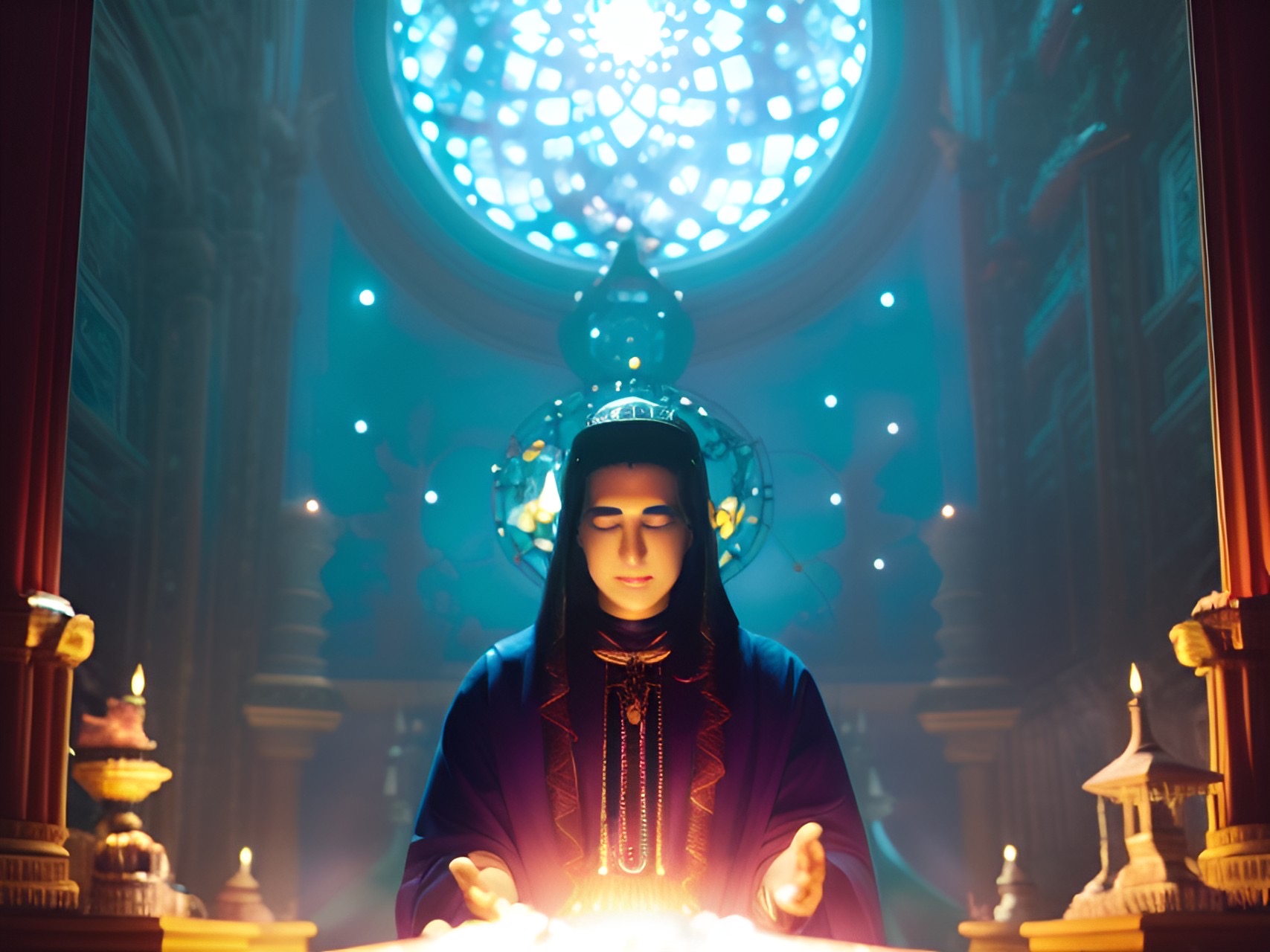
Magica, the Eternal Power of Openness, Neutrality, and Ambivalence, considers what her peers had wrought. Magica touches the strings, and creates unlife, an agent of infectious disease called “virus”, to balance against life; and its opposite, undeath, an agent of infectious amortal curse called “nosviratus”, to balance death.
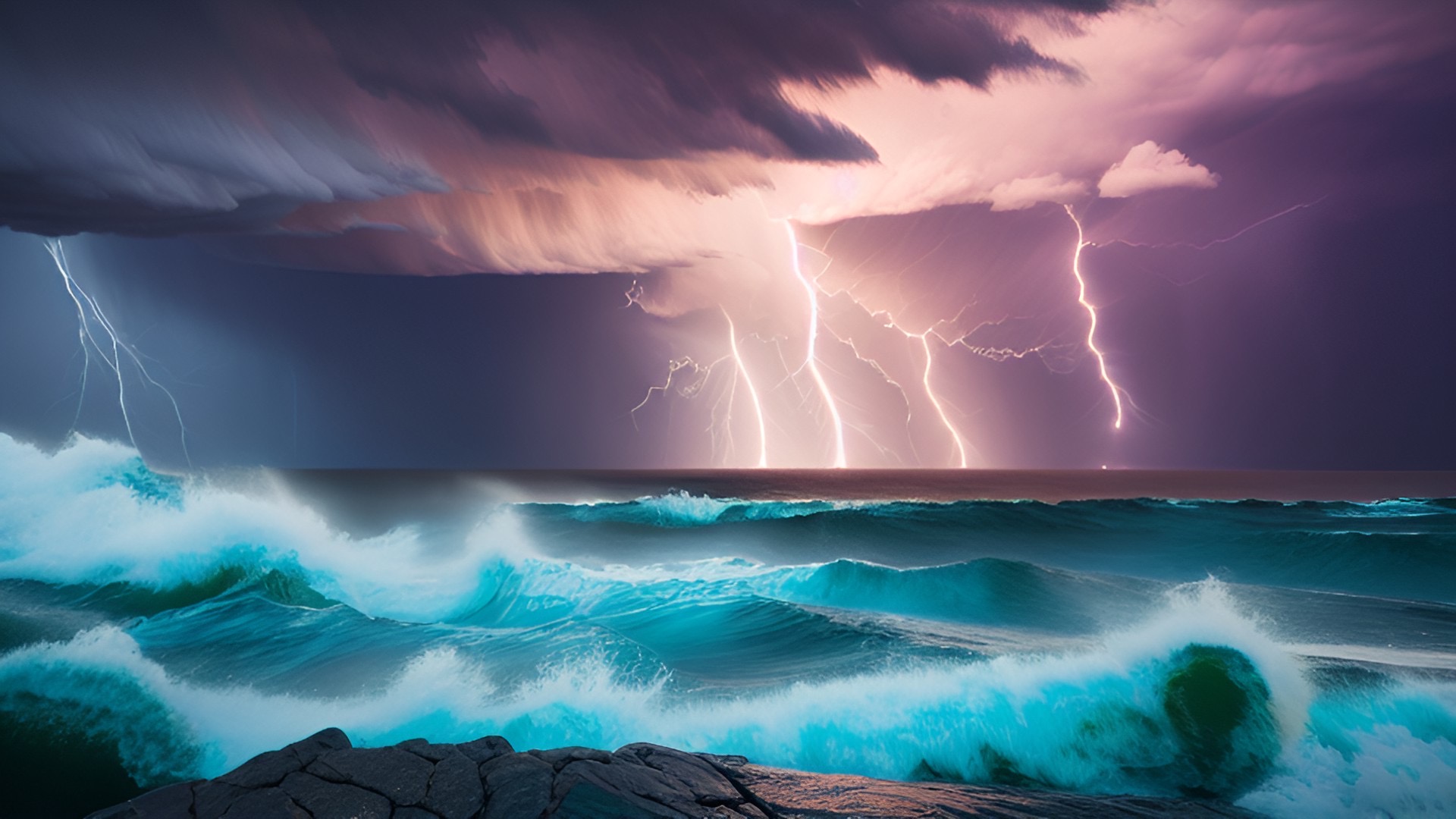
In the light of Solus, aquatic bacteria photosynthesize, producing oxygen as a waste product. The dissolved metals in the ocean oxidize, creating ore. The oxygen concentration in the atmosphere rises, poisoning many bacteria. All the while, Urthe is wracked continually by hurricane-force winds.
10,700 BCE
Slimes, molds, and worms.
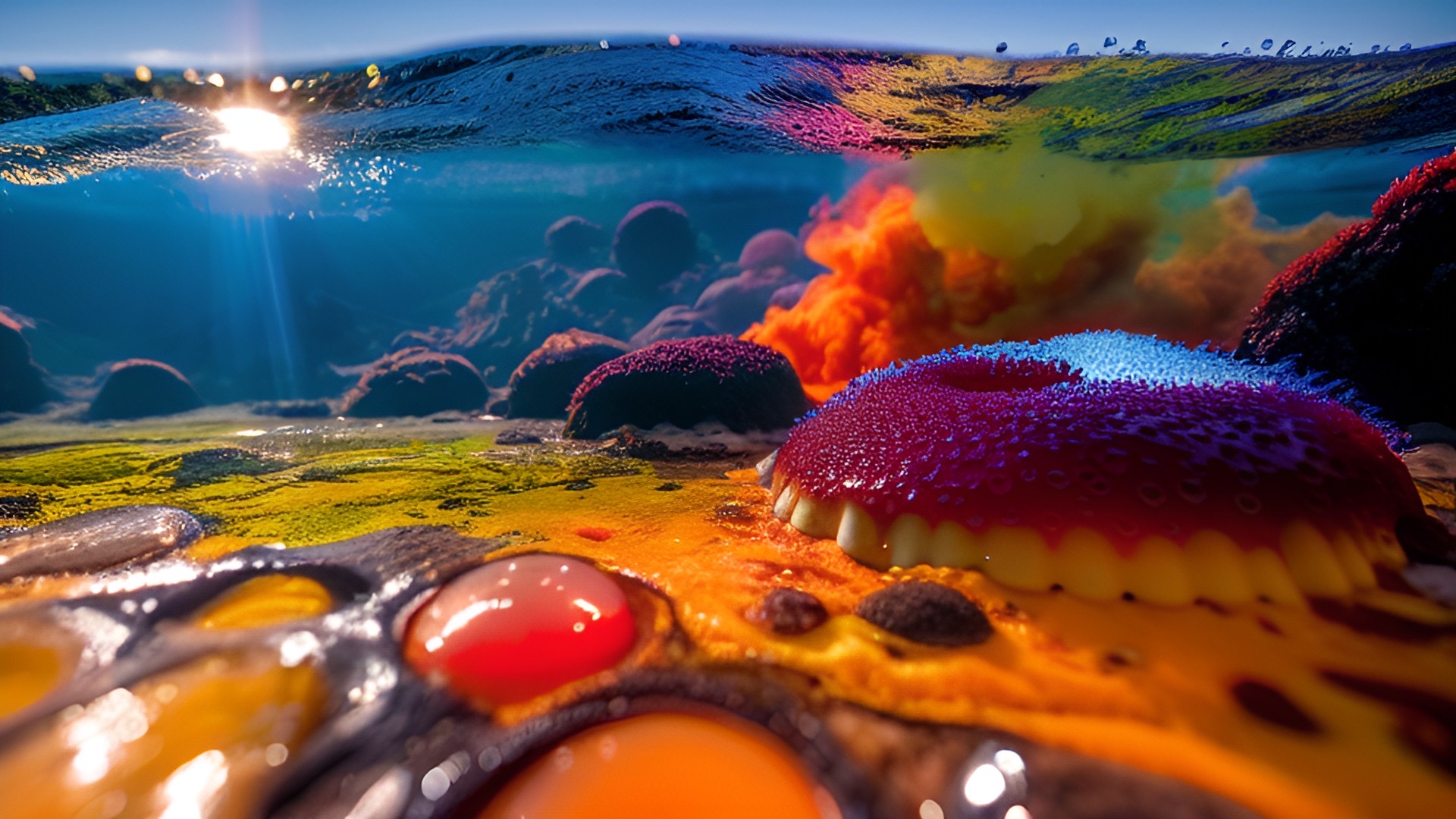
As flames rage, and land shakes, and oceans heave, and winds howl, life continues to multiply and evolve at a fantastical rate. Strange oozes, jellies, puddings, and slimes coalesce and mobilize. Seaweeds and algae bloom in the waters, while fungi and moulds spread their spores across land. Sponges and coral colonize the seabed. Flatworms and roundworms wriggle throughout the waters and across the land.
10,600 BCE
Sea-life, bugs, and early land plants.
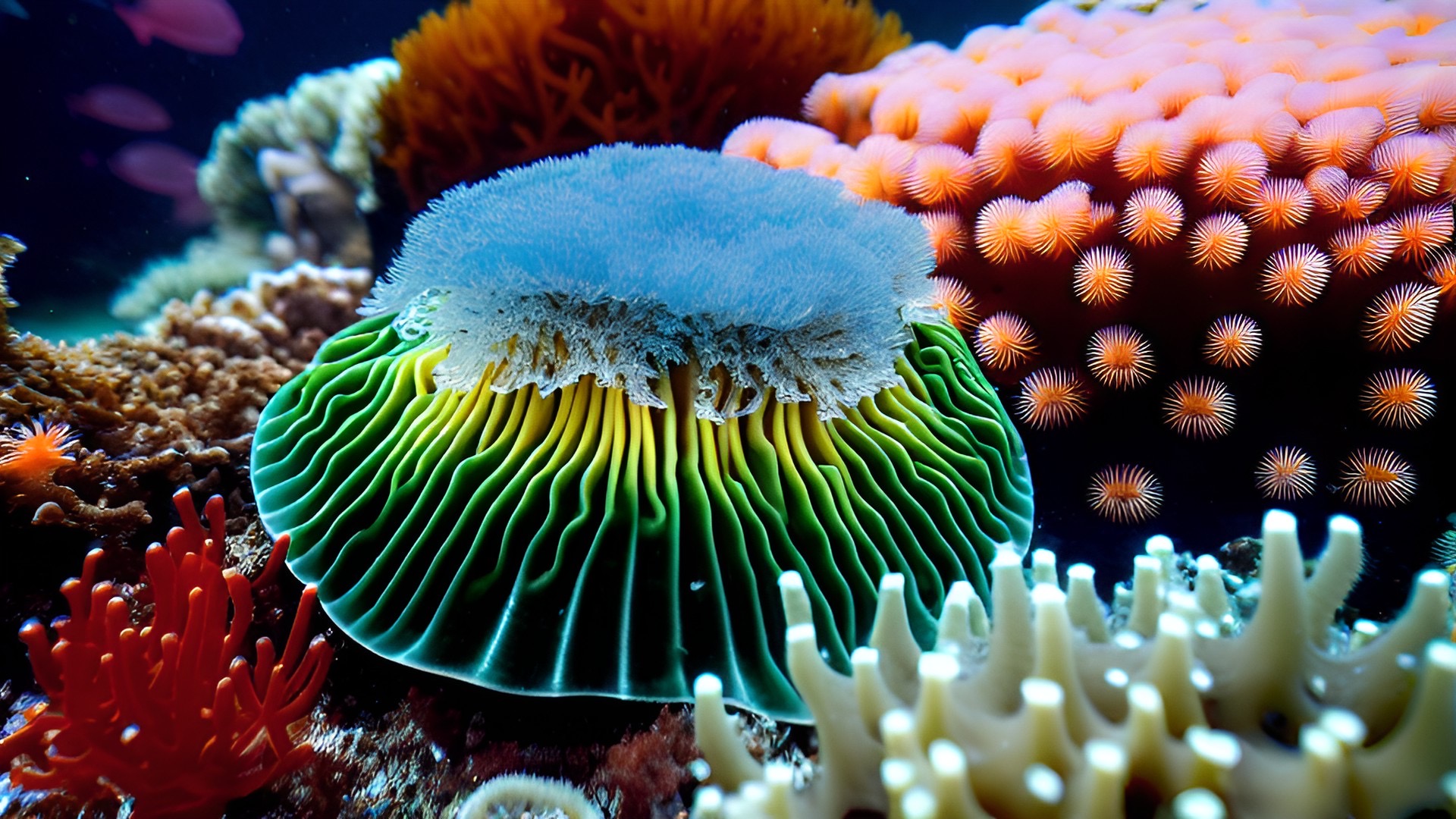
As fire subsides, and earth settles, and water cools, and air clears, the seas of Urthe writhe with life. The first tiny shellfish and crustaceans find their niches. Jawless fish, cartilaginous fish, armoured fish, bony fish all compete with each other. The first arachnids, scorpions, insects, and mites appear. Lichens and stoneworts spread across the bare land.
10,500 BCE
Larger creatures crawl out of the sea.
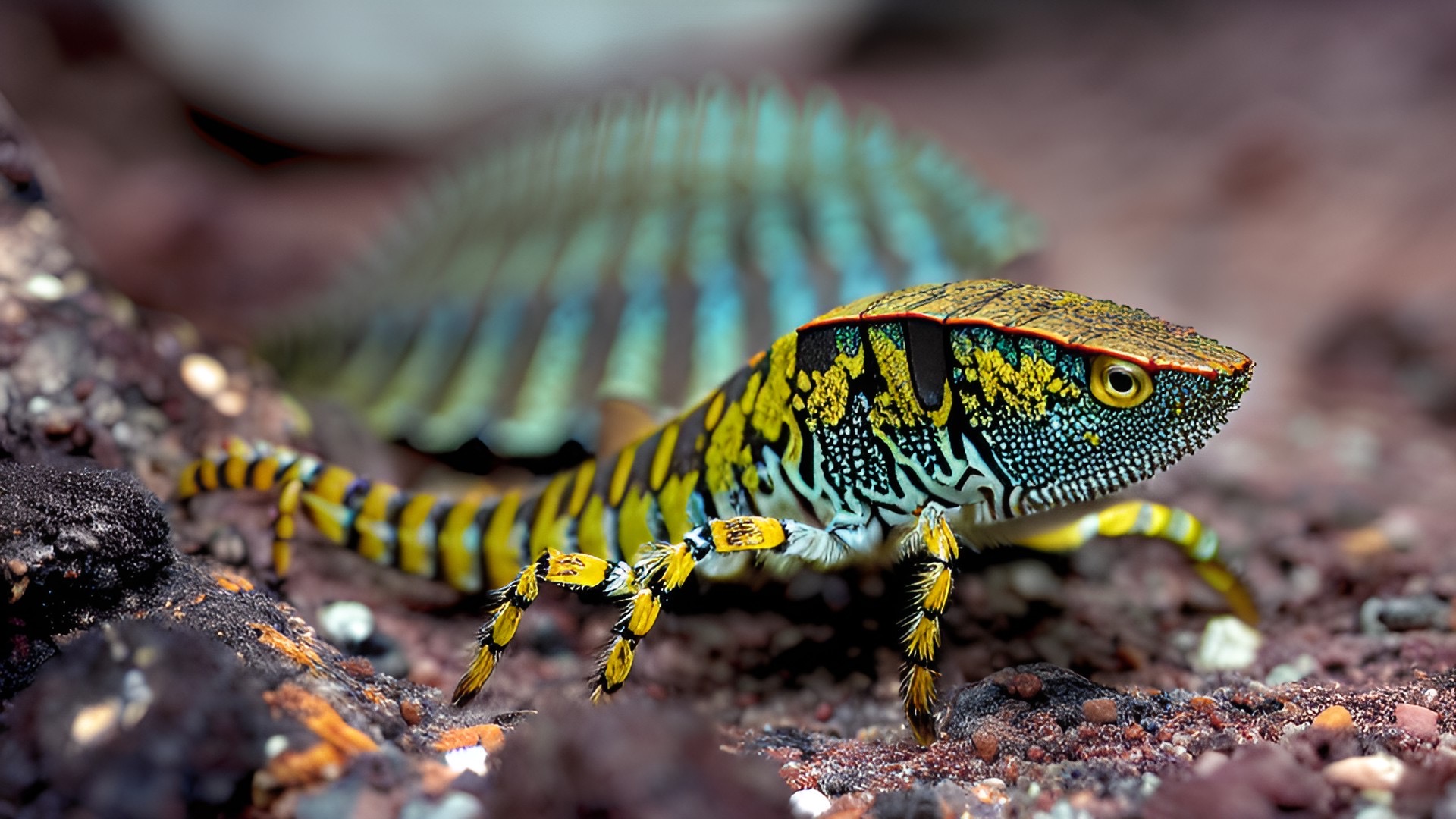
Crawling and flying vermin rule the land and sky, and sharks rule the waters. Fearsome aboleths arise in subterranean lakes. Some large, bony fish leave the crowded seas, to seek out new lives on land. Lobe-finned fish crawl in and out of shallow waters, and adopt amphibious features, giving rise to Urthe’s tetrapods. Joint-finned fish likewise emerge from the oceans, and evolve into polypods.
10,400 BCE

Magical creatures spread.
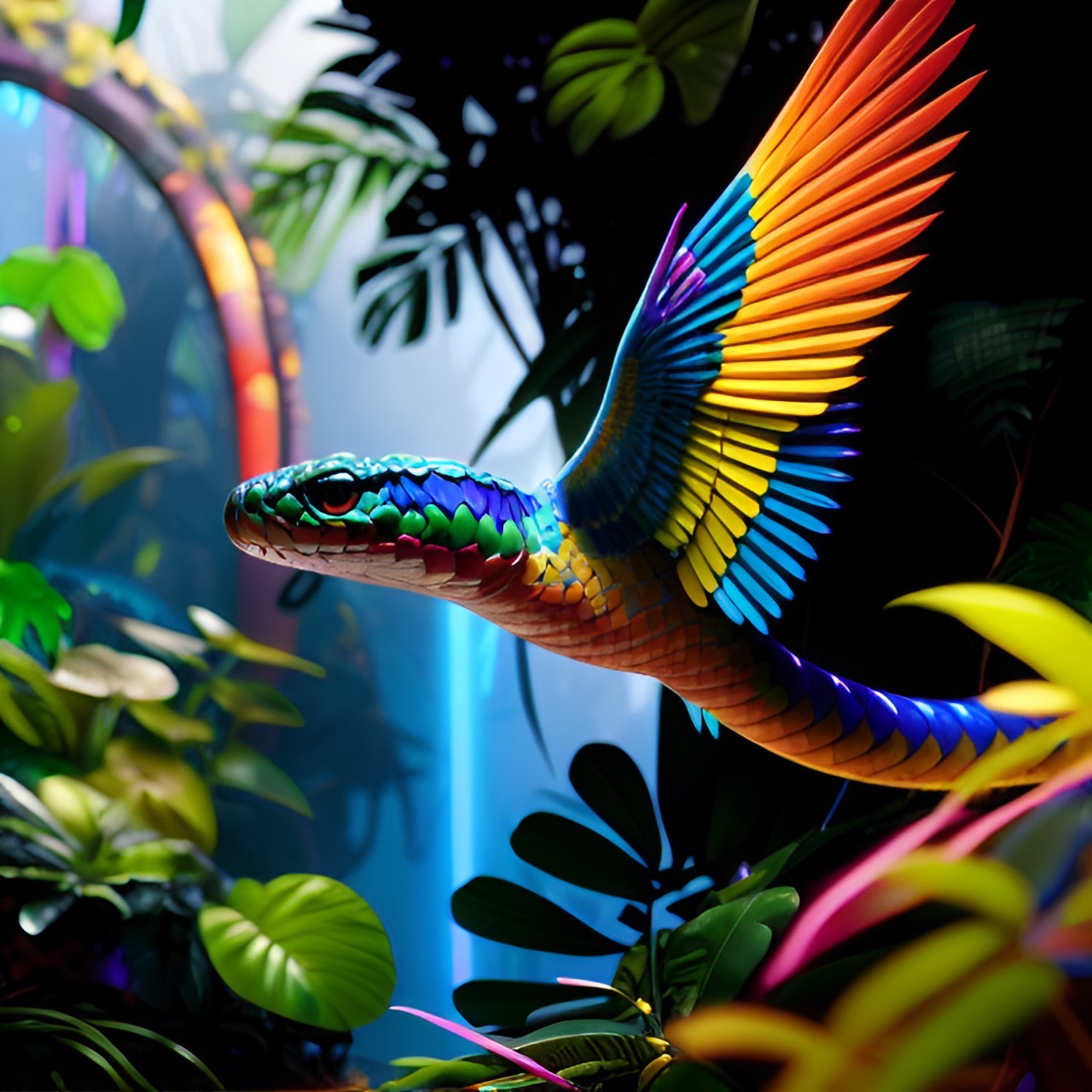
As tall trees grow and forests dominate the landscape, crabs and ferns appear on Urthe. In jungles, the feathered serpent couatl takes wing. The polypods split into three lines: six-limbed proto-dragons, eight-limbed rexilisks, and twelve-limbed behirs, which spread quickly over the land. Enormous, centipede-like remorhazes find a home in the dark, frozen wastes, and gulguthra spread underground.
10,300 BCE
The Draconic Schism
Living stones, called galeb duhr, take up in the mountains, and ropers, an offshoot of gulguthra, appear underground.
Magica takes a special interest in the proto-dragons, splitting them into two distinct draconic lines; the good, metallic dragons, and the evil, chromatic dragons. Black dragons compete with steel dragons for the sulfurous swamps and salt marshes and volcanic jungles, spewing their bile. Blue dragons fight bronze dragons for control over the Sea of Tethys, blasting one another with lightning breath. Green dragons compete with steel dragons for the sylvite deposits of the temperate forests, bellowing noxious vapours underground. Red dragons fight copper dragons and silver dragons for the high hills and mountains. White dragons alone claim the frozen wastes. Yellow dragons fight brass dragons for the deserts. Gold dragons fight black and blue and green and red and white and yellow alike, wherever they may be, whenever they judge such confrontation to be wise.
The rexilisks definitively diverge into two distinct forms: the furry aurumvorax and the scaly basilisk.
10,200 BCE
Part One: An Affusion of Aspirits
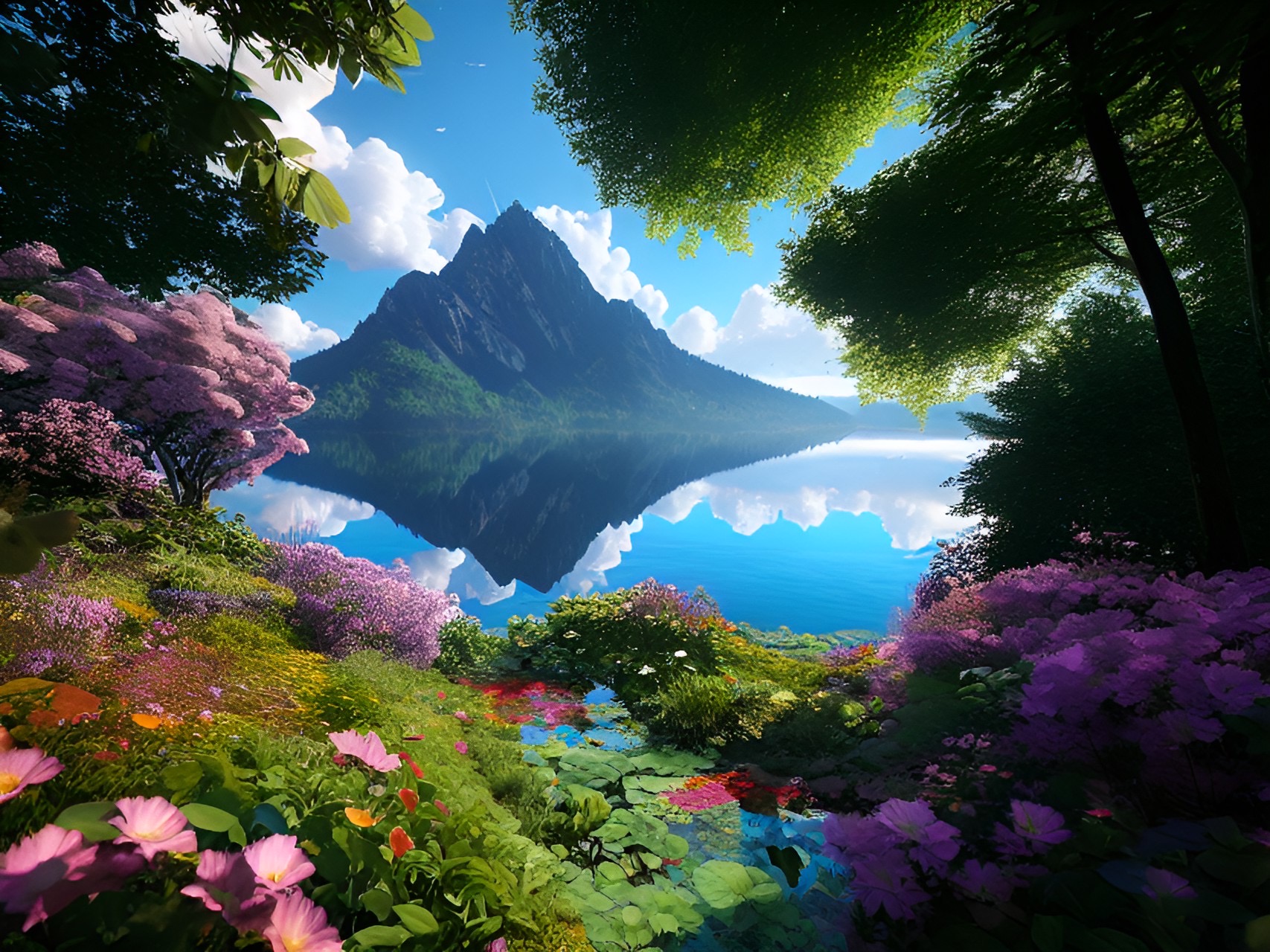
Avalon. Like an otherworldly vision. A supernatural landscape of pure life, beauty, and growth. Ruffled with feathery clouds, a deep blue sky shines above purple mountain peaks, firmly footed in blossoms of crimson and gold, enmeshed in foliage of a million greens, cradling a crystal clear, cerulean lake. The lake, rimmed with pebbles of every jewelly hue, teems with fish and coral flora of a thousand colours. In the trees, birds and fruit and flowers fit in every nook and niche. A rainbow of beetles, bees, and butterflies flit and buzz and trundle, unperturbed by the buck bounding through the bush. Points of light emerge from the land, the lake, the life, and one by one by one by one and on and on again, from all directions, they traverse this infinitely perfect vision, ultimately converging upon one another, at a single, central point.
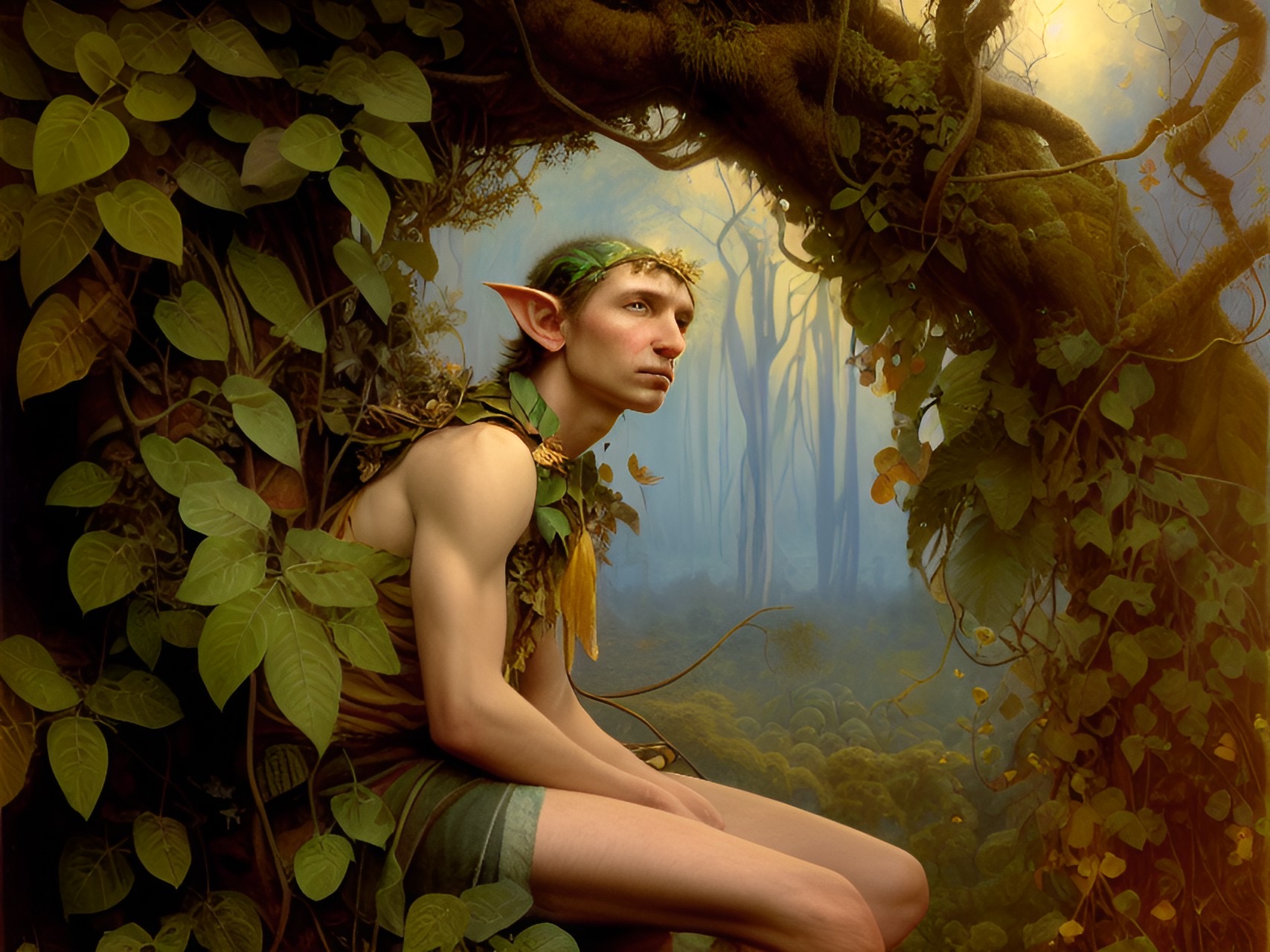
A pair of eyes open. The vision is gone. In its place is a landscape, similar, yet utterly different. Gone is the diversity of plant and animal life, and with that, much of the colour, save shades of green. The relentless golden sky, and purple mountains seem to draw a similar profile, but the trees are primitive and homogenous. Elan, one of the Aelpha, rises to his feet.
- survey the landscape
- search for food and drink
- sickness
- return to dreams
- awakened wisdom
- care and clothing
- Meeting a mate
- raising offspring
Vita, worried by the unexpected meddling of Magica, assembles an affusion of aspirits, good-aligned immortal beings, and blesses them with free will, and embodies them as mortal beings on Urthe, intending them to become a guardian race for the natural world.

The first such beings, they are called Aelpha, and are given physically mature forms, exemplary of grace and beauty, with twin limbs for mobility, a brace of limbs for manipulation, and a head for making clear sense of their world. Each according to their nature, the Aelpha spread throughout the various environments of Urthe. They live on a mostly herbivorous diet of shoots, roots, and leaves, supplemented by some fish and insect consumption.
10,100 BCE
The Diversity of Nature.
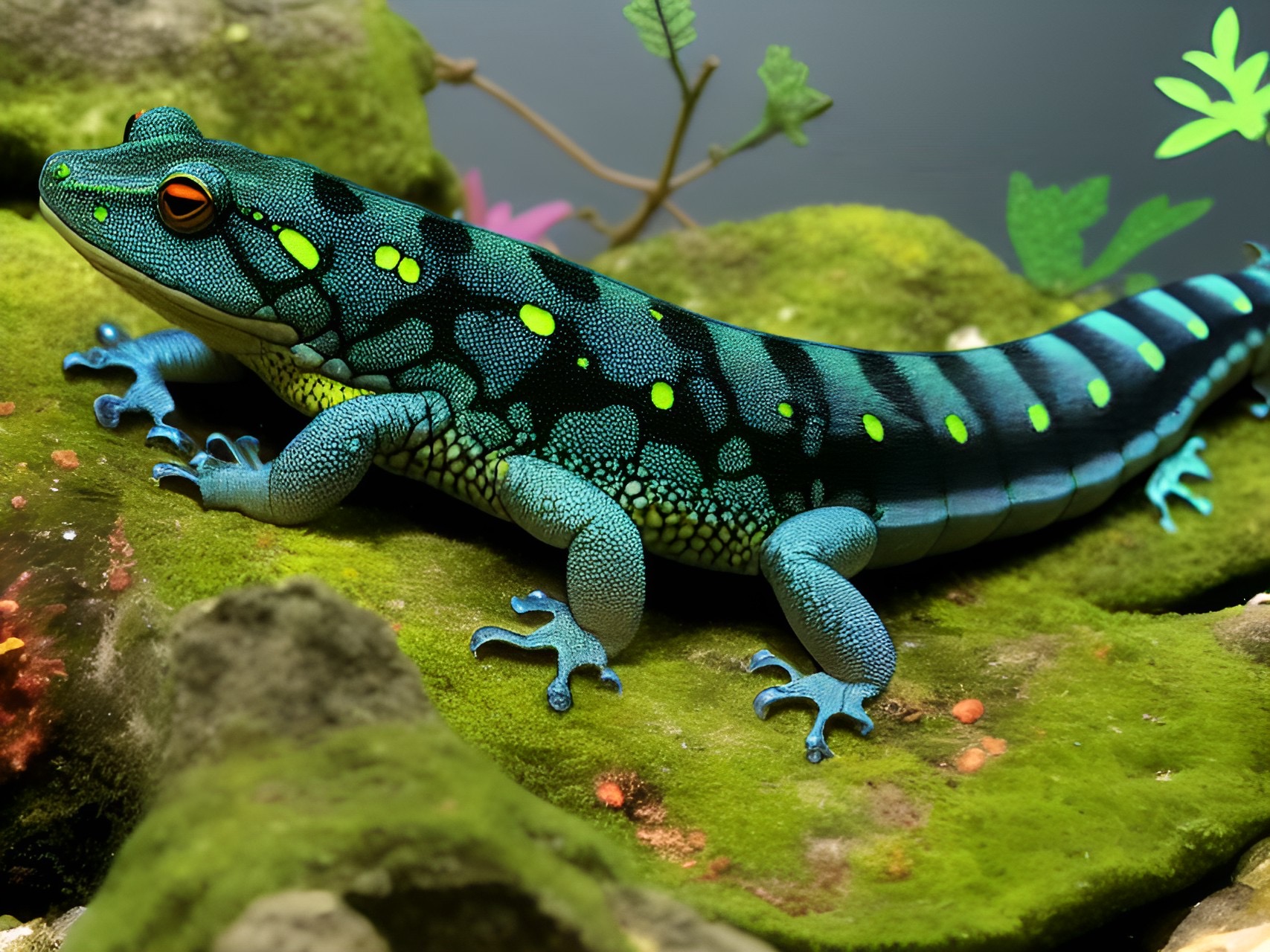
Tetrapods split into distinct amphibian, mammalian, and reptilian branches. Conifers, seed plants, beetles, salamanders and newts appear and prosper. In the waters, the great sharks have hunted many older marine species to extinction. The earliest dinosaurs, pterosaurs, and turtles appear. Hydra live in the marshes, and rocs appear in the tropical mountains.

The second generation of Aelpha build traditions upon the ways of the first. The Aelpha Caeruleus coax colonies of coral to construct cage-like caverns in which to live. The Alpha Fervidus collect calabash fruit for use as vessels and musical instruments. The Aelpha Aureus make elegant pottery, and train plants into intricate forms of living architecture. The Aelpha Ventus draw art on the walls of dark cavern complexes, which they illuminate softly with stone oil lamps. The land dwelling Aelpha add seeds to their diet as they become available in the world.

10,000 BCE
The Rise of Dinosaurs.
The Aelpha develop their writing system in this century, with only slight dialect differences between the four races.
Saurials are the second mortal species endowed with free will to appear on Urthe, embodied in enlightened dinosaur forms. The first Stegoid saurials are borne of a consecrated affusion of aspirits and host of angels, sent from Elysium by a Power of Hope, Faith, and Joy, Spero. The first Corythoid saurials are consecrated by a Power of Truth, Justice, and Righteousness, Veritas, and give mortal form to an affusion of aspirits and a caucus of archons from Utopia.
Nurtured by saurial protection, many herbivorous dinosaur species grow very large in this century. Unfortunately, they become the favoured prey of many species of dragon.
9900 BCE
The Great Lammasu.
Lammasu appear on the warm savannas, and ettercap appear in the densest forests. The first skates and rays appear in the shallow tropical waters, and with them, their dreaded cousins, the ixitxachitl. Bloodsucking insects evolve. Flowering plants also arise, and with them, birds, bees, ticks, ants, and ankhegs in the plains and forests. Egg-laying monotremes appear. Carnivorous dinosaurs begin to rival their enormous herbivore prey in size. Small primates emerge. Large mammals begin returning to the water to escape dragon predation.
Lammasu teach aelpha about the eleven dimensions of reality, and introduce them to the magic of the vital magisteria, so that they might master spells of healing. The land-based aelpha add fruit and honey to their diet. The last living members of the first generation of aelpha die in this century.
9800 BCE
Part Two: Of Birds and Bread.
The fifth generation of Aelpha emerge. They begin to make use of grains to make flour in this century. The oldest dragons are aged half a millennium: middle-aged, for dragons.
Pterosaurs are hunted to near-extinction by the dragons. Rodents, flightless birds, owls, and many variety of songbird, parrots, loons, swifts, and woodpeckers evolve. Bats, rhinoceroses, camels, and tapirs emerge. Eagles and hawks, moths and butterflies all take wing. Grasses, and primates, begin to diversify. Brownies appear in the temperate lands, and goblins spread across all the lands of Urthe. Whales, toothed and baleen, appear in the oceans.
9700 BCE
Beauty and Bounty.
Early canine, feline, and porcine species develop. Beasts and birds increase in size as the dinosaurs decline. Nymphs, deer, giraffe, bears, anteaters all make their first appearance.
9600 BCE
A Caucus of Archons.
Aelpha Ventus found the City of Pale Trees, known as Damashala.
Tabaxi are the third mortal species endowed with free will to appear on Urthe: a caucus of archons from Paradise embodying the form of enlightened great cats, consecrated by Savitas.
9500 BCE
An Aelphan Tragedy.
An evil aelpha female dies, and the first banshee comes to be, as she chooses eternal undeath in place of an immortal afterlife.
Unicorns, pegasuses, dryads, and worgs appear in the woodlands, while bovids, horses, and kangaroos develop, and hominin primates appear in the landscape. Ogres, tree sloths, hippopotami, zebras, lions, elephants, and mammoths also arise.
9400 BCE
A Host of Angels.
Satyrs are the fourth mortal species endowed with free will to appear on Urthe: a host of angels from Annwyn, consecrated by Eleutheria in the bodies of risen goats.
Armadillos, aurochs, opossums, hummingbirds, vampire bats, sabre-toothed cats, smilodons, and the first dogs, the cooshee, domesticated by the aelpha, arise on Urthe.
9300 BCE
Part Three: The Dragon War.
The oldest dragons, thousand-year-old venerable wyrms, instigate The Dragon War. Chromatic dragons begin to aggressively expand their territories, mercilessly destroying all that oppose them.
The tenth generation of aelpha emerge. The aelpha share their knowledge of the vital magisteria with the saurials. Using elegant tools of wood and bone and ivory, aelpha help the struggling herds, and the smallest fishes, and the dusty fields, and the drying forests, and the grateful animals and plants help the aelpha in return.
Centaurs arise in the temperate forests, as do trolls, and vodyanoi.
9200 BCE
A Land Divided.
After surveying the continent, the aelpha divide the lands of Urthe into three named regions: Aedan, the land of warm winds; Borea, the land of cool winds; and Knod, the land of the foul winds. They begin to organize to fight back against the ongoing dragon terror, and call on other intelligent races to join the united campaign, sharing their knowledge of the vital magisteria with satyr and tabaxi as well.
9100 BCE
Dragonnes appear in the warm southern hills and deserts, colonies of subterranean piercers take root underground. Aelpha, saurial, satyr, tabaxi, and other allied species, have their first successes in battle against the dragons.
9000 BCE
Aelpha Ventus found the City of Jasmine, known as Damascara.
At the height of The Dragon War, the Orcs emerge, and join the fray against the aelpha alliance. Heavily boned, thickly muscled, and grotesquely featured, with coarse hair, yellow-brown tusks, and mottled skin of a greenish grey pallor, the Orcs stand about six and a half feet tall, on average. The Orcs attack with jagged stone-bladed knives and spears, and the aelpha defend themselves with elegant hunting weapons: graceful arrows and elegant spears of wood, horn, ivory and stone.
8900 BCE
The dragon menace begins to abate, while Sahuagin emerge in the temperate coastal waters, and tribes of half-orc and half-ogre ogrillon and orog mobilize.
8800 BCE
Part Four
The Dragon War ends. The fifteenth generation of aelpha emerge.
Prides of wemic emerge on the temperate plains, contesting the territories of the lammasu.
Catoblepas appear in the swamps abandoned by departed dragons.
8700 BCE
“The good gods have favoured this world for too long.”
Medusa, the gorgon, takes up residence in an old ruined fortress. Aelpha Ventus construct the first Lesser Golem out of clay, in an ingenious effort to rid the ruin of the creature. The mission does not go quite according to plan.
The oldest dragon, a 1600 year old golden great wyrm, finally dies.
8600 BCE
The Catastrophe…
 The Ages of Urthe